
Hoboken Weight Loss
Wellness Store
Semaglutide
Finally: A Weight-Loss Program That Works With Your Body - Not Against It
Empowering your weight loss journey through the science of satiety.
Weight loss is often a complex challenge that involves more than just willpower. For many, biological factors and metabolic set-points make it difficult to achieve and sustain a healthy weight through diet and exercise alone. Modern advancements in medical weight management have opened new doors for those seeking a helping hand in their wellness journey.
Semaglutide represents a significant step forward in this field. Originally researched for its ability to help manage blood sugar, it has gained widespread recognition for its potential to support weight management. By interacting with the body’s natural hunger signals, it may help patients overcome the physiological barriers that often derail weight loss efforts.
When combined with a healthy lifestyle, Semaglutide offers a strategic tool for long-term weight management. It allows patients to focus on making sustainable nutritional choices without the constant noise of hunger, potentially leading to meaningful and lasting changes in body composition and overall health.
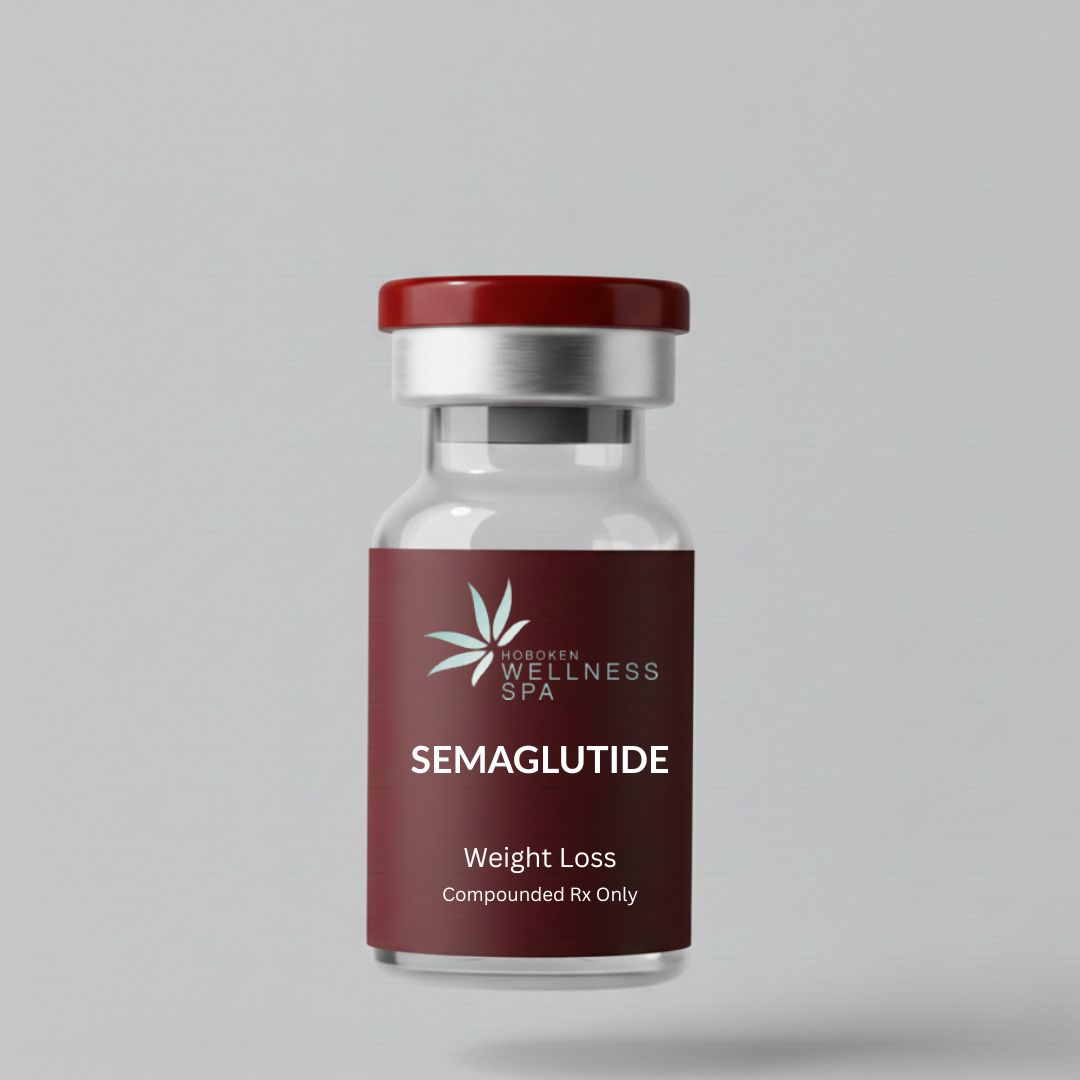
What is Semaglutide?
Semaglutide is a modified version of a naturally occurring protein in your body called a GLP-1 receptor agonist. In simple terms, it mimics a hormone that is released in your gut after you eat. This hormone is responsible for telling your brain that you are full and satisfied.

By acting like this natural hormone, Semaglutide sends signals to the appetite centers of your brain to reduce feelings of hunger and cravings. It also helps slow down the speed at which your stomach empties food, which helps prolong that feeling of fullness after a meal. This dual action helps patients naturally reduce their calorie intake without feeling deprived.
Key Effects:
Reduced Appetite: Patients may experience a significant decrease in daily hunger cues, making it easier to stick to a reduced-calorie diet.
Prolonged Fullness: By slowing down digestion, the medication helps you feel satisfied for longer periods after eating smaller portions.
Quieting "Food Noise": Many patients report a reduction in intrusive thoughts about food and cravings, allowing for better focus on daily activities.
Metabolic Support: Semaglutide helps regulate how the body processes sugars, which can lead to more stable energy levels throughout the day.
Improved Portion Control: The physical sensation of satiety helps patients naturally limit their portion sizes during meals.
Who Is an Ideal Candidate for Semaglutide?
Semaglutide is a prescription medication designed for adults who have struggled to lose weight through traditional methods alone. Eligibility is determined by a licensed healthcare provider, but general guidelines include:

BMI Criteria
An individual with a BMI of 30 or higher (obesity), OR a BMI of 27 or higher (overweight) with at least one weight-related condition (such as high blood pressure, high cholesterol, etc.).
Previous Struggles
Those who have tried diet and exercise in the past without achieving sustainable results.
Commitment to Lifestyle Changes
Candidates should be ready to incorporate healthy eating habits and regular physical activity into their routine.
Who Should Not Take Semaglutide?
For safety reasons, certain individuals should not use this medication. Contraindications include:
Personal or family history of Medullary Thyroid Carcinoma (MTC).
Multiple Endocrine Neoplasia syndrome type 2 (MEN2).
Known allergy or hypersensitivity to Semaglutide or any of its ingredients.
Current pregnancy or breastfeeding.
History of pancreatitis.
Severe gastrointestinal disease (such as gastroparesis).
Type 1 Diabetes (requires specific medical management and clearance).
Possible Side Effects and How to Manage Them
Like all medications, Semaglutide may cause side effects, though not everyone experiences them. The most common side effects are gastrointestinal, as the body adjusts to the medication.
Common Side Effects
Nausea
Vomiting
Diarrhea or Constipation
Stomach pain or bloating
Fatigue
Headache
Management Strategies
Start Slow: Your provider will likely start you on a low dose and gradually increase it to let your body adjust.
Stay Hydrated: Drink plenty of water throughout the day to prevent dehydration, especially if experiencing diarrhea.
Eat Small, Bland Meals: If nausea occurs, try eating crackers, toast, or rice, and avoid heavy, greasy, or spicy foods.
Eat Slowly: Stop eating the moment you feel full to avoid stomach discomfort.
Rotate Injection Sites: Changing where you inject (abdomen, thigh, or upper arm) each week can help reduce local skin irritation.
What our patients are saying
Check out these amazing results from our members. You could be our next success story!
At 31 years old, standing at 5'4", and weighing 206 lbs, I started a transformative journey with Hoboken Weight Loss using GLP-1 weight loss medication. Fast forward eight months later, the scale now shows a 154 lbs!

After having my 4 kids, my body just didn't snap back like I thought it would. The semaglutide injections have been life changing and I'm finally starting to feel like myself again.

For the first time in my life, I feel like the best version of myself! 🧡🧡🧡
